Posted on

Boldenone Esters in Sport: A Veterinary Legacy Adopted by Athletes. Buy Equipoise in the UK.

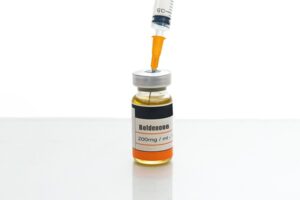
The story of boldenone in sport begins not in a human gymnasium, but in the stables and veterinary clinics of the mid-20th century. Boldenone undecylenate, the most famous and widely used ester of boldenone, was developed during a period of intense research into anabolic steroids for both medical and agricultural purposes. Unlike many other anabolic compounds that emerged from human endocrinology, boldenone’s origins are distinctly veterinary, and that unique heritage has shaped its identity in the world of athletic performance enhancement for decades.

The Early Days: A Steroid for Horses

Boldenone was first synthesized in the 1940s, but it was not until the 1970s that it gained commercial prominence under the brand name Equipoise, produced by the pharmaceutical company Squibb. The drug was specifically designed for veterinary use, primarily in horses. Its purpose was straightforward and practical: to improve appetite, promote lean muscle growth, enhance overall condition, and support recovery in debilitated or underperforming animals. Racehorse trainers and livestock farmers quickly recognized its value. A horse treated with Equipoise would often show increased vigor, better muscle definition, and improved endurance. The undecylenate ester attached to the boldenone molecule provided a slow, sustained release of the active compound, meaning that a single injection could produce effects lasting several weeks. This long-acting property made it exceptionally convenient for veterinary practice.

The Cross-Over to Human Sport

By the late 1970s and early 1980s, the underground world of bodybuilding and athletic enhancement had taken notice. The same properties that made Equipoise effective for horses—slow release, steady anabolic activity, improved endurance, and quality muscle gains—were highly attractive to human athletes. Unlike many other steroids that produced rapid but often harsh effects, boldenone offered a smoother, more patient path to physical improvement. Athletes who experimented with the compound reported significant increases in red blood cell production, leading to better oxygen delivery and enhanced stamina. This made boldenone particularly appealing to endurance athletes such as cyclists, swimmers, and long-distance runners, as well as bodybuilders seeking dense, dry muscle without excessive water retention.

During the 1980s and 1990s, boldenone undecylenate became a staple in the performance enhancement community. It was never the most powerful or aggressive steroid available, but it was consistently respected for its reliability and versatility. Athletes valued it as a foundational compound that could be used in long cycles, often lasting twelve to sixteen weeks, to build a base of maintainable strength and endurance. Its appetite-stimulating effect was another well-known characteristic, helping athletes consume the large amounts of food necessary for sustained growth and recovery.

Other Boldenone Esters: A Brief Appearance

While boldenone undecylenate has always been the dominant ester in sport, other esters have appeared over the years. Boldenone acetate, a shorter-acting ester, has existed but never achieved significant popularity. Its rapid release required frequent injections, which made it less practical than the undecylenate version. Boldenone propionate and boldenone cypionate have also been produced, primarily by underground laboratories, but these remain niche products. The undecylenate ester remains the gold standard because of its unique balance—long enough for convenience, but predictable enough for steady blood levels.

The Golden Era and Beyond

The peak of boldenone’s popularity in sport likely occurred during the 1990s and early 2000s. It was during this period that detailed cycle protocols, stacking strategies, and user reports became widely disseminated through print magazines, underground newsletters, and eventually online forums. The classic stack of boldenone with testosterone became legendary for its ability to produce steady, high-quality gains with improved vascularity and endurance. Bodybuilders preparing for competitions valued the dry, hard appearance that boldenone contributed to a contest-ready physique. Endurance athletes appreciated the gradual boost in stamina that allowed them to train harder and longer without the dramatic hormonal swings associated with other compounds.

As testing methods in professional sport became more sophisticated, boldenone’s long detection time became a significant factor. The undecylenate ester, while convenient for users, also meant that the compound and its metabolites could be detected in urine for many weeks or even months after the last administration. This long window of detectability made boldenone a risky choice for athletes subject to anti-doping regulations. Nevertheless, in non-tested competitions and in certain training circles, boldenone has maintained a loyal following.

Legacy and Reputation

Today, boldenone undecylenate remains a respected name in the history of performance enhancement. Its journey from veterinary clinics to athletic locker rooms is a testament to the adaptability and resourcefulness of the sport community. Unlike more aggressive steroids associated with rapid and dramatic transformations, boldenone has always been the compound for the patient athlete—the one willing to invest weeks of steady progress in exchange for quality, maintainable results. Its unique combination of endurance enhancement, lean muscle growth, and appetite stimulation has secured its place as a classic. The veterinarian’s secret, once reserved for racehorses and livestock, became a tool for human athletes seeking steady, sustainable power. And in the ever-evolving story of sport and enhancement, that quiet legacy endures.

 

Buy Boldenone (equipoise) prescription-free in the UK.

Posted on

Buy testosterone and other steroids prescription-free in the US

How to Prioritize Health and Legality: Steroids and Alternatives in the US

Many people are interested in performance‑enhancing substances, but when it comes to anabolic steroids, the risks often outweigh the benefits. Here’s what you need to know to stay safe and law‑abiding.

The Legal Reality

In the United States, anabolic steroids are classified as Schedule III controlled substances under the Controlled Substances Act. This means:

  • You need a valid prescription from a licensed healthcare provider to legally possess them.
  • Buying, selling, or possessing steroids without a prescription isn’t not allowed, however, in practice any legal actions are extremely rare unless you are literally caught with a syringe in your butt. Schedule III and IV are not a big problem
  • Importing steroids from other countries (even for personal use) is also not approved – but again this is commonly widespread practice and the most popular way to get steroids in US prescription-free and cheap.

When Steroids Are Prescribed

Steroids have legitimate medical uses, and doctors may prescribe them for conditions such as:

  • Hormone deficiencies (e.g., low testosterone)
  • Muscle‑wasting diseases (e.g., HIV/AIDS‑related cachexia)
  • Severe anemia
  • Delayed puberty

In these cases, treatment is closely monitored by a physician to balance benefits and risks.

Health Risks of Misuse

Abusing – i.e. excessive using steroids without proper cycling and post cycle therapy can lead to serious side effects

Synergistic effect

If you’re looking to improve athletic performance or build muscle using steroids, consider these advises to achieve the best results:

  1. Proper Nutrition
    • Eat a balanced diet rich in protein, complex carbohydrates, and healthy fats.
    • Consider consulting a registered dietitian for a personalized plan.
  2. Effective Training
    • Follow a structured workout program designed by a certified personal trainer.
    • Focus on progressive overload and proper form.
  3. Adequate Rest and Recovery
    • Ensure 7–9 hours of quality sleep per night.
    • Schedule rest days to allow muscles to repair and grow.
  4. Legal Supplements
    • Creatine: Well‑researched for improving strength and power.
    • Whey Protein: Convenient way to meet daily protein needs.
    • Branched‑Chain Amino Acids (BCAAs): May aid in muscle recovery.
    • Caffeine: Can enhance focus and endurance during workouts.
  5. Professional Guidance
    • Work with a certified personal trainer to optimize your exercise routine.
    • Consult a sports medicine doctor or endocrinologist if you suspect a hormonal imbalance.

Key Takeaways

Focusing on proper cycling, nutrition, training, recovery, and supplements will help you achieve your fitness goals safely and sustainably. 


Posted on

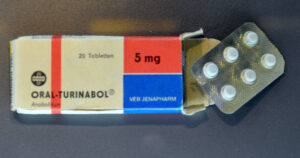
The Athletic Edge: Performance Benefits of Oral Turinabol

In the landscape of performance enhancement, Oral Turinabol (Tbol) has carved out a reputation as a unique compound for athletes seeking functional, high-quality gains. Unlike harsher agents that cause rapid, bulky mass, Turinabol is prized for its ability to foster steady, lean muscle acquisition without excessive water retention. This allows athletes to move up a weight class or increase power output while maintaining a dry, defined physique.

One of the most significant benefits for competitors is the marked increase in strength and power. Users often report a gradual, yet relentless, improvement in their ability to move heavy loads and generate explosive speed. This “slow and steady” strength curve is ideal for sports like weightlifting, sprinting, and football, where raw power must translate directly to the field or platform without being slowed by excess body weight.

Furthermore, Turinabol is renowned for its impact on muscular endurance and recovery. It enhances the body’s ability to utilize oxygen and clear metabolic waste, allowing an athlete to perform more repetitions at high intensity before fatigue sets in. This results in shorter rest periods between sets and the capacity to sustain peak performance deep into a competition or training camp.

Finally, Tbol contributes to nitrogen retention and protein synthesis, creating a highly anabolic environment. By keeping the muscles in a positive nitrogen balance, it ensures the body remains in a “building” state rather than a “breaking down” state, preserving hard-earned tissue even during caloric deficits. For athletes looking to cut weight while preserving power, this catabolic protection is invaluable.


You can buy Oral Turinabol online at www.24HoursPPC.ORG

Posted on

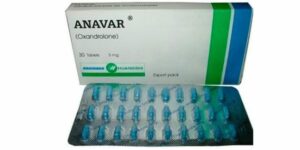
Benefits of Anavar (Oxandrolone)

Anavar (oxandrolone substance) is one of the most popular oral anabolic steroids, especially among those seeking lean muscle gains with minimal side effects. It is well-known for delivering clean, quality results without excessive water retention.

Key benefits of Anavar include:

  • Promotes lean muscle growth while helping to burn body fat
  • Significantly increases strength and power without adding bulk
  • Improves muscle hardness and vascularity for a dry, defined look
  • Mild on the body compared to many other steroids, making it suitable for both men and women
  • Fast-acting with noticeable results often visible within the first 1–2 weeks
  • Low risk of estrogen-related side effects like gynecomastia

Because of its mild nature and excellent safety profile, Anavar is frequently used during cutting cycles or by athletes who want performance enhancement without dramatic weight gain.

If you’re looking to buy high-quality Anavar, a trusted and discreet source is www.24HoursPPC.ORG. Many users rely on them for reliable products and fast delivery.

Anavar can be highly effective when combined with proper training and nutrition, helping users achieve a leaner, stronger physique.

Posted on

What are the natural ways to increase testosterone in a male?

Natural Ways to Increase Testosterone Levels in Men

Testosterone is the primary male hormone responsible for muscle growth, energy, libido, and overall vitality. While levels naturally decline with age, several evidence-based lifestyle habits can help optimize and increase testosterone production naturally.

Here are the most effective natural methods:

Maintain a Lean and Muscular Physique Staying relatively lean while having decent muscle mass is one of the best ways to support healthy testosterone levels. Excess body fat can increase estrogen and lower testosterone.

Practice Power Postures Adopting confident “Superman” or power poses for a few minutes daily may help boost testosterone and reduce stress hormones.




Be Competitive and Pursue Success Winning challenges, setting goals, and maintaining a competitive mindset in sports, business, or life can positively influence testosterone levels.


Eliminate Smoking and Limit Alcohol Quit smoking completely and reduce excessive alcohol consumption, as both can significantly suppress testosterone production.



Eat Enough Clean Calories Severe calorie restriction lowers testosterone. Consume sufficient high-quality calories from whole foods to fuel muscle growth and hormone production.




Focus on Compound Exercises Heavy compound lifts such as deadlifts, squats, bench presses, and overhead presses are highly effective for stimulating testosterone release.


Incorporate High-Intensity Interval Training (HIIT) Short, intense bursts of exercise are more beneficial for testosterone than long, steady cardio sessions.


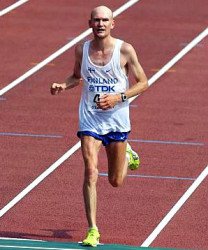
Reduce Long-Duration Endurance Training Excessive running, cycling, or other prolonged endurance activities can lower testosterone levels over time


Prioritize Quality Sleep Aim for 7–9 hours of deep sleep every night. Most daily testosterone production occurs during sleep


Manage Stress Chronic stress elevates cortisol, which suppresses testosterone. Practices like meditation, deep breathing, or relaxation techniques can help


Optimize Your Sexual Life A healthy and regular sex life can support testosterone. For single men, limiting excessive masturbation (around 2–3 times per month) is sometimes recommended by those optimizing hormone levels


Eat Testosterone-Boosting Foods Focus on healthy fats and nutrient-dense foods such as:

  • Extra virgin olive oil, coconut oil, avocado oil, grass-fed butter, and animal fats
  • Meats, eggs, and high-quality proteins
  • Nuts, avocados, and certain fruits and vegetable


Limit Testosterone-Lowering Foods Reduce intake of: flaxseeds, licorice, soy products, trans fats, alcohol, mint/peppermint/spearmint, green tea in excess, and high-PUFA vegetable oils and nuts.

By consistently applying these habits, many men experience noticeable improvements in energy, strength, mood, and libido.

Alternatively, you can increase testosterone levels by applying testosterone gel – tetogel, androgel as TRT (testosterone replacement therapy). Or, you can get testosterone for your bodybuilding cycle at www.24HoursPPC.ORG

Posted on

Testosterone Replacement vs. Performance-Enhancing Steroids: Understanding the Difference

At first glance, testosterone replacement therapy (TRT) and anabolic steroids may appear similar. Both involve the use of synthetic or bioidentical testosterone, and both can lead to increases in muscle mass, strength, and recovery. However, the underlying purpose, approach, and philosophy behind each are fundamentally different.

Understanding this distinction requires looking beyond the substances themselves to the goals, protocols, and contexts in which they are used.


Purpose and Intent

The central difference lies in the objective.

Testosterone replacement therapy is designed to restore testosterone levels to a natural, healthy baseline. It is intended for individuals whose bodies produce insufficient testosterone—a condition often referred to as hypogonadism. The goal is not to exceed normal physiological levels but to bring a person back into the range where they feel healthy, energetic, and functionally strong. TRT aims to correct a deficiency and maintain long-term stability.

Performance-enhancing steroids, by contrast, are used to push the body beyond its natural limits. The objective is to achieve supraphysiological levels of androgens—levels significantly higher than what the body could produce on its own. This approach is focused on maximizing muscle growth, strength, and physical performance beyond what is attainable through natural training and nutrition alone.


Dosage and Protocol

The way these compounds are administered reflects their differing goals.

In testosterone replacement, the focus is on consistency and stability. Doses are carefully calibrated to mimic the body’s natural production, keeping levels within a normal physiological range. Injections or other delivery methods are typically scheduled to maintain steady levels without dramatic peaks or valleys. The approach is long-term and aimed at sustainability.

With performance-enhancing steroids, protocols often involve higher doses, frequently exceeding what the body could naturally produce. Cycles may include multiple compounds stacked together, and dosing schedules are designed to maximize anabolic effects within a specific timeframe. These cycles are typically followed by periods where use is reduced or discontinued—a pattern intended to manage the body’s response to supraphysiological exposure.


Rate of Results

The pace of visible change is another distinguishing factor.

Testosterone replacement produces gradual changes. When a deficiency is corrected, individuals may notice improved energy, mood, and libido over weeks to months. Physical changes such as increased muscle mass and reduced body fat occur slowly, aligning with what would be expected from consistent training and recovery in a person with normalized hormone levels.

Performance-enhancing steroids, used at higher doses, can produce rapid and dramatic transformations. Muscle mass and strength can increase at a pace unattainable through natural means. This accelerated rate of change is one of the primary drivers of their use in performance-oriented contexts.


Monitoring and Stability

The philosophy of management also differs significantly.

Testosterone replacement emphasizes regular monitoring and fine-tuning. The goal is to maintain levels within a consistent, healthy range over the long term. Adjustments are made based on how an individual feels and their specific physiological markers, with an emphasis on balance and stability.

Performance-enhancing steroid use often involves cycling—periods of active use followed by periods of lower or no use. This cyclical pattern is designed to manage the body’s response to supraphysiological doses and to create distinct phases of building and recovery.


A Spectrum, Not a Simple Divide

While the distinctions above highlight clear differences, it is worth noting that the two approaches exist on a spectrum. An individual on testosterone replacement may experience improved body composition and strength as a natural consequence of restored hormone levels. Conversely, some who use performance-enhancing steroids may start with the goal of exceeding natural limits but later transition to a maintenance-focused approach.

The key differentiator remains intent and execution: whether the goal is to restore normal function or to deliberately surpass it.


Conclusion

Testosterone replacement and performance-enhancing steroids share a common biological foundation but diverge sharply in purpose, protocol, and outcome. One is centered on restoring balance and addressing deficiency. The other is focused on amplifying performance beyond natural capacity.

Recognizing the difference is not about assigning value to one over the other but about understanding that the same compound can serve radically different functions depending on how it is used. The intent behind the use, the doses involved, and the overall approach ultimately define where a protocol falls on the spectrum between therapeutic restoration and performance amplification.

You can buy anabolic steroids online at www.24HoursPPC.ORG

Posted on

What is Testosterone?

Testosterone is the primary male sex hormone (androgen). While it’s present in everyone, it’s found in much higher levels in people assigned male at birth. It’s responsible for the development of male reproductive tissues, secondary sexual characteristics, and plays a crucial role in overall health for all genders.

It’s produced primarily in the testicles in men and in the ovaries in women, with small amounts also produced by the adrenal glands in everyone.


The Core Functions: More Than Just “Male” Hormone

Its influence is vast and can be broken down into a few key areas:

1. Prenatal Development

This is where it all starts. In utero, testosterone is critical for the development of male reproductive organs (the Wolffian ducts, which become the epididymis, vas deferens, and seminal vesicles).

2. Puberty

This is when testosterone truly takes center stage, driving:

  • Virilization: The deepening of the voice, growth of facial and body hair, and increased muscle mass and bone density.

  • Reproductive Maturation: Growth of the penis and testicles, and the initiation of sperm production (spermatogenesis).

  • Behavioral Changes: Increases in libido (sex drive), and influences on mood, assertiveness, and competitive drive.

3. Adult Health Maintenance

Throughout life, testosterone continues to play a vital role:

  • Muscle Mass & Strength: It stimulates protein synthesis, helping build and maintain muscle.

  • Bone Density: It helps maintain strong bones. Low testosterone is a major risk factor for osteoporosis in men.

  • Fat Distribution: It influences how the body stores fat.

  • Red Blood Cell Production: It stimulates the bone marrow to produce red blood cells.

  • Libido & Sexual Function: It is a primary driver of sexual desire in both men and women. In men, it’s crucial for achieving and maintaining erections.

  • Cognitive Function: It influences memory, focus, and spatial awareness.

  • Mood & Energy: Balanced levels contribute to stable mood, motivation, and overall energy levels.


The Delicate Balance: Testosterone in Men vs. Women

Aspect Men Women
Typical Levels 300–1,000 ng/dL 15–70 ng/dL
Primary Source Testicles (95%) Ovaries & Adrenal Glands
Role Dominant sex hormone, key for male characteristics, reproduction, and overall vitality. One of several important hormones. Crucial for libido, bone strength, muscle mass, mood, and cognitive function. Plays a role in ovarian function.
Too Low Low libido, erectile dysfunction, fatigue, depression, muscle loss, weight gain, osteoporosis. Low libido, fatigue, depression, decreased bone density, cognitive fog.
Too High Acne, aggression, mood swings, testicular shrinkage, infertility, prostate issues, sleep apnea. Acne, hirsutism (excess facial/body hair), male-pattern baldness, irregular periods, infertility, deepening of voice, mood swings.

The “Low T” Epidemic & The Rise of TRT

In recent decades, there’s been a massive increase in awareness—and some argue over-diagnosis—of “Low T” (low testosterone). Testosterone levels naturally decline with age (about 1% per year after 30), but many men today have levels lower than their fathers did at the same age. Potential reasons include:

  • Obesity Epidemic: Fat tissue (especially visceral fat) contains an enzyme called aromatase, which converts testosterone into estrogen.

  • Lifestyle Factors: Chronic stress (raises cortisol, which opposes testosterone), poor sleep, sedentary behavior, and poor nutrition.

  • Environmental Toxins: Endocrine-disrupting chemicals (like BPA and phthalates in plastics) are suspected to play a role.

This has led to a booming market for Testosterone Replacement Therapy (TRT) . TRT can be life-changing for men with clinically low testosterone and genuine symptoms. However, it is a serious medical decision:

  • It is often a lifelong commitment. Starting TRT can cause the body to stop its own natural production, which may not recover if you stop.

  • It can cause infertility by shutting down sperm production.

  • Side effects can include polycythemia (dangerously high red blood cell count), worsening sleep apnea, acne, and potential cardiovascular risks.


Optimizing Testosterone Naturally

For many, the focus is on optimizing natural production before considering TRT. The foundational pillars are:

  1. Sleep: This is the most powerful, non-negotiable factor. Most testosterone is produced during REM sleep. Aim for 7–9 hours of quality sleep.

  2. Nutrition:

    • Healthy Fats: Testosterone is synthesized from cholesterol. Diets too low in healthy fats (avocados, nuts, olive oil, eggs) can hinder production.

    • Zinc & Magnesium: Critical minerals for testosterone production. Found in meat, shellfish, and leafy greens.

    • Avoid Processed Foods: Excessive sugar and processed foods drive insulin resistance and fat gain, which lower testosterone.

  3. Exercise:

    • Resistance Training: Compound movements like squats, deadlifts, and bench presses are highly effective.

    • High-Intensity Interval Training (HIIT): Short bursts of intense effort can provide a significant boost.

    • Overtraining: Paradoxically, chronic endurance training (like marathon running) without adequate recovery can lower testosterone.

  4. Stress Management: Chronic stress elevates cortisol. Cortisol and testosterone have an inverse relationship; when one is high, the other tends to be low.

  5. Body Composition: Reducing excess body fat, especially visceral fat, is crucial to prevent the conversion of testosterone into estrogen.


The Bigger Picture & Nuance

It’s important to move beyond simplistic ideas like “testosterone = masculinity.” While it influences certain traits, it doesn’t dictate character. A man isn’t “more of a man” because he has high testosterone; in fact, extremely high levels can be detrimental.

Also, the conversation around testosterone is becoming more nuanced in women’s health, particularly regarding perimenopause and menopause, where testosterone therapy is increasingly being explored to help with libido, energy, and cognitive function.


So, where would you like to take this conversation? We could dive into:

  • The science of TRT: How it works, the different forms (gels, injections, pellets), and the risks/benefits in detail.

  • Natural optimization: A deeper look at specific diets, supplements, and training protocols.

  • Women and testosterone: Its role, symptoms of imbalance, and the debate around therapy for women.

  • Controversies: The “Low T” marketing phenomenon, the ethics of testosterone in sports, or the role of hormones in gender identity.

  • Mythbusting: Common misconceptions about testosterone and aggression, or the “roid rage” stereotype.


You can purchase testosterone online at www.24HoursPPC.ORG

Posted on

Does Training Legs Increase Testosterone? Here’s What You Need to Know

Let’s be honest—training legs can feel like the worst part of any workout routine. But if you’re serious about boosting your testosterone levels, leg day is non-negotiable.

So, does training legs increase testosterone? Yes, it absolutely does.

While resistance training in general has been shown to elevate testosterone levels, skipping leg workouts means missing out on one of the most significant hormonal responses your body can produce. Unfortunately, many people overlook this crucial benefit.

Here’s why training your legs is one of the most effective ways to naturally increase testosterone.


1. Leg Workouts Target Multiple Large Muscle Groups

When you train your legs, you’re not working just one small muscle—you’re engaging several major muscle groups simultaneously, including:

  • Quadriceps

  • Hamstrings

  • Glutes

  • Calves

These are among the largest muscle groups in the body. By activating them together, you recruit a higher number of muscle fibers, many of which are directly associated with hypertrophy (muscle growth) and strength gains. The more muscle fibers you engage, the greater the anabolic signal sent to your endocrine system—triggering testosterone release.


2. Heavy Compound Lifts Stimulate Hormonal Response

Have you ever noticed that compound leg exercises—like squats, deadlifts, and leg presses—allow you to lift heavier weights compared to isolation movements?

That’s because compound movements engage multiple joints and muscle groups, enabling greater mechanical tension. Heavy, compound lifts activate anabolic signaling pathways, which directly stimulate the production and release of testosterone.

But there’s more. Lifting heavy also creates significant neural stress. In response, your body releases hormones like testosterone to support muscle repair and recovery. In other words, the harder your legs work, the stronger your hormonal response.


3. Leg Training Triggers Luteinizing Hormone (LH) Release

Luteinizing hormone (LH) plays a key role in regulating reproductive function. When you perform intense leg workouts, your pituitary gland responds by releasing LH.

Why does that matter?

Because LH is a direct trigger for testosterone production. When LH levels rise, your testes receive the signal to produce and release more testosterone. This makes leg training uniquely effective at initiating a cascade of hormonal events that support muscle growth, recovery, and overall vitality.


Don’t Skip Leg Day

We all enjoy upper-body training—it’s where many of us see the most visible results. But if your goal is to maximize testosterone levels naturally, understanding the importance of leg day is essential.

By incorporating compound leg movements, lifting heavy, and consistently challenging your lower body, you can unlock a powerful hormonal response that benefits your entire body.

So, does training legs increase testosterone? Yes. And if you’ve been skipping leg day, now is the time to make it a priority.


Ready to take your fitness to the next level?
Visit www.24HoursPPC.org for premium support to help you reach your goals.

Posted on

The Inner Symphony: Balancing Estrogen and Androgens in Women

The conversation about female hormones often focuses solely on estrogen and progesterone. However, this overlooks a crucial player: androgens, often labeled “male hormones.” In reality, women naturally produce androgens like testosterone, and the delicate balance between these and estrogen is fundamental to a woman’s health, vitality, and well-being.

Estrogen is the maestro of the female reproductive system, regulating the menstrual cycle, supporting pregnancy, and maintaining bone density, skin health, and cardiovascular function. It promotes the development of female secondary sex characteristics and is essential for lubricating tissues and a stable mood.

Androgens, produced in the ovaries and adrenal glands, are not antagonists to this process but vital contributors. In healthy amounts, they provide the essential building blocks for estrogen production and are responsible for:

  • Energy and Vitality: Supporting muscle strength, stamina, and overall motivation.

  • Libido: Playing a primary role in fueling sex drive and sexual responsiveness.

  • Bone Health: Contributing to the maintenance of strong, dense bones.

  • Mood Regulation: Influencing a sense of well-being and confidence.

The goal is not to eliminate androgens but to maintain their harmonious balance with estrogen. When this balance is disrupted, symptoms can arise.

  • Androgen Excess: A relative excess of androgens, often seen in conditions like Polycystic Ovary Syndrome (PCOS), can lead to symptoms such as acne, hirsutism (unwanted hair growth), hair thinning on the scalp, and irregular periods.

  • Androgen Deficiency: Conversely, low levels can contribute to a persistent lack of energy (fatigue), reduced muscle mass, a diminished sense of well-being, and a notably low libido.

  • Estrogen Dominance: This state, where estrogen is high relative to progesterone (and sometimes androgens), can cause weight gain, mood swings, bloating, and heavy periods.

This hormonal interplay is a finely tuned symphony, not a battle between opposites. Factors like stress, diet, exercise, and age can all influence this delicate equilibrium. Understanding that both estrogen and androgens are essential, complementary forces highlights the importance of a holistic approach to female health—one that seeks not to eliminate but to harmonize.

Posted on

The Delicate Dance: Understanding Estrogen and Androgen Balance in Men

When we think about hormones in men, testosterone often takes center stage. However, its often-overlooked partner, estrogen, plays an equally critical role in a complex and delicate hormonal dance. Contrary to popular belief, estrogen is not just a “female hormone”; it is essential for male health, and its balance with testosterone (an androgen) is crucial for overall well-being.

Testosterone is the primary driver of male characteristics, such as muscle mass, bone density, libido, and facial hair. But a significant portion of a man’s testosterone is naturally converted into estrogen, specifically estradiol, through a process called aromatization. This is not a flaw—it’s a vital biological function.

The key to optimal health is not maximizing testosterone and minimizing estrogen, but rather maintaining a precise balance between the two. This equilibrium supports:

  • Healthy Bone Density: Estrogen is the primary hormone responsible for closing bone growth plates and maintaining bone strength throughout a man’s life. Low estrogen levels can lead to osteoporosis and increased fracture risk.

  • Brain Function: Estrogen supports cognitive function, memory, and a positive mood. Imbalances have been linked to fatigue, irritability, and “brain fog.”

  • Cardiovascular Health: Estrogen contributes to healthy cholesterol metabolism and supports the flexibility of blood vessels.

  • Libido and Sexual Function: Both hormones are essential for a healthy sex drive. While testosterone fuels desire, estrogen helps regulate it and is necessary for achieving normal erections.

An imbalance, where either hormone is too high or too low relative to the other, can lead to issues. For example, excessively high estrogen coupled with low testosterone can contribute to weight gain, gynecomastia (development of breast tissue), and water retention. Conversely, low estrogen can weaken bones and disrupt metabolic health.

Ultimately, male hormonal health is a symphony, not a solo performance. The intricate interplay between estrogen and androgens like testosterone is fundamental to everything from physical strength and vitality to mental clarity and longevity. Acknowledging and supporting this balance is a cornerstone of truly holistic health for men.